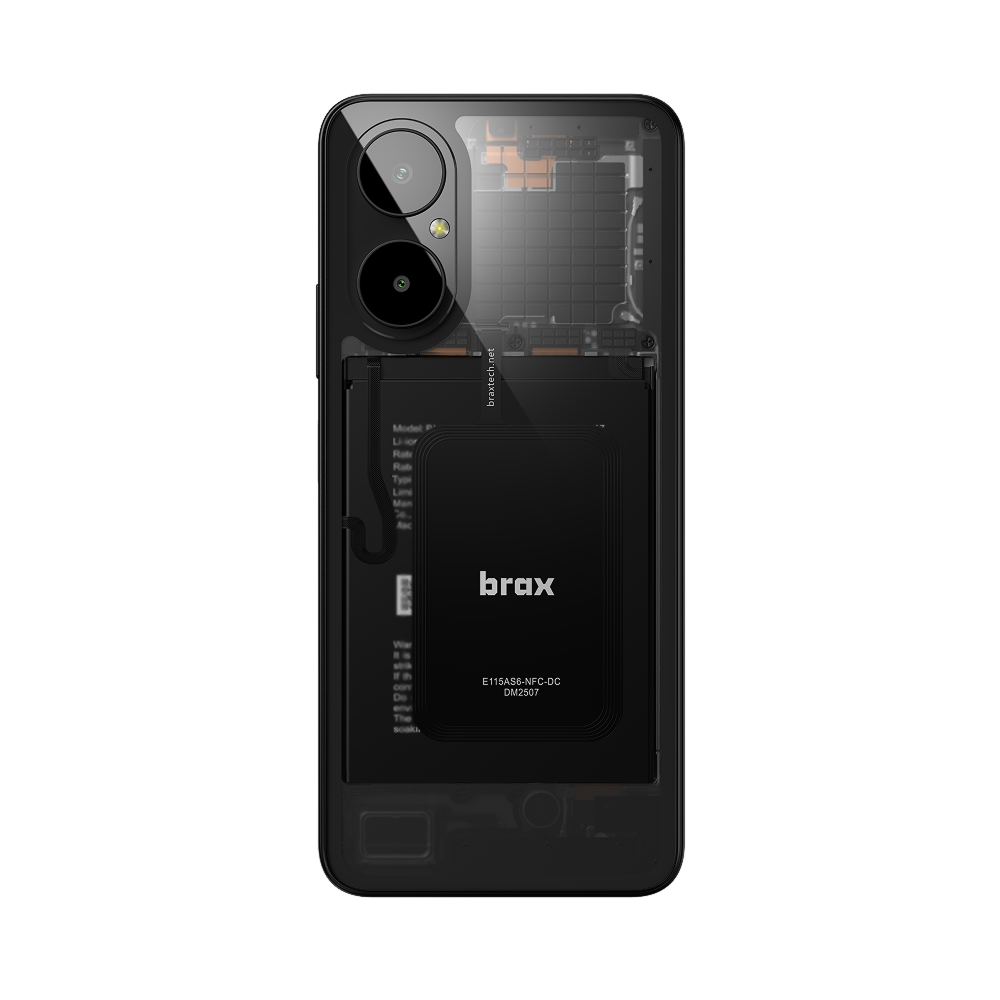
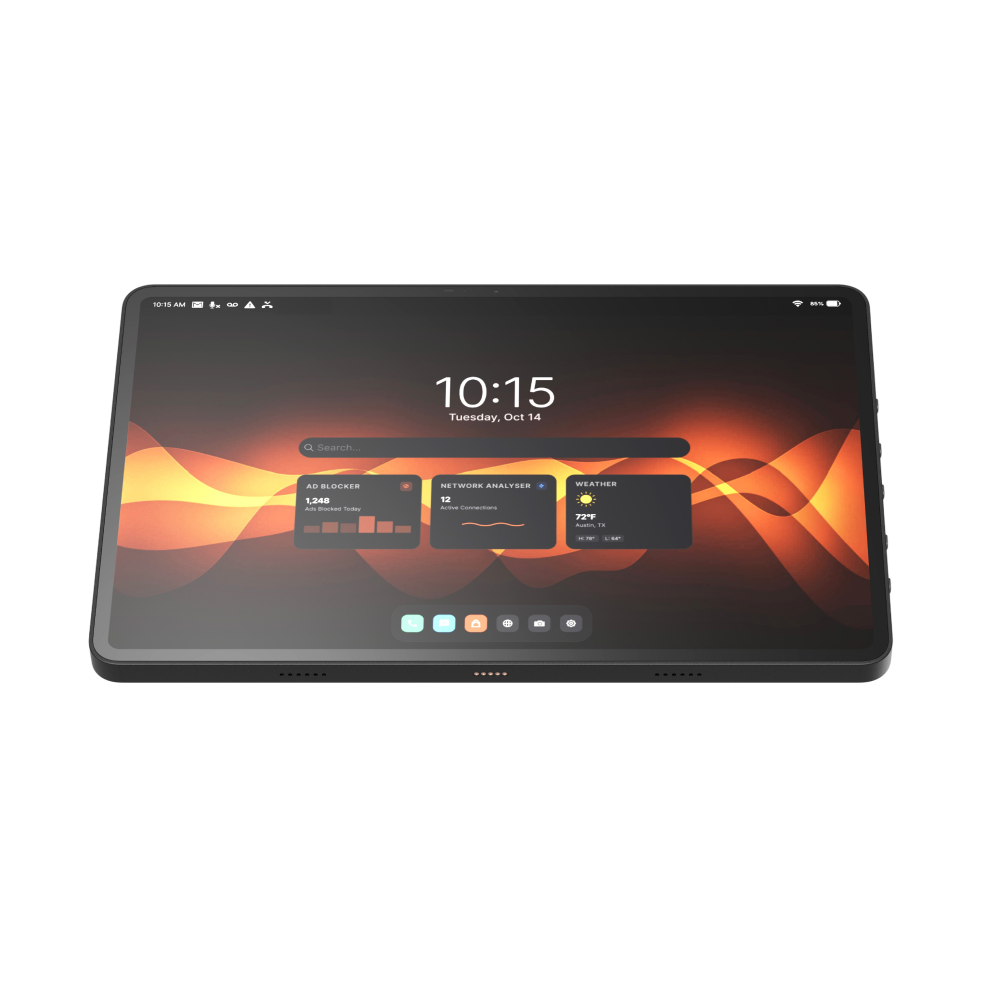
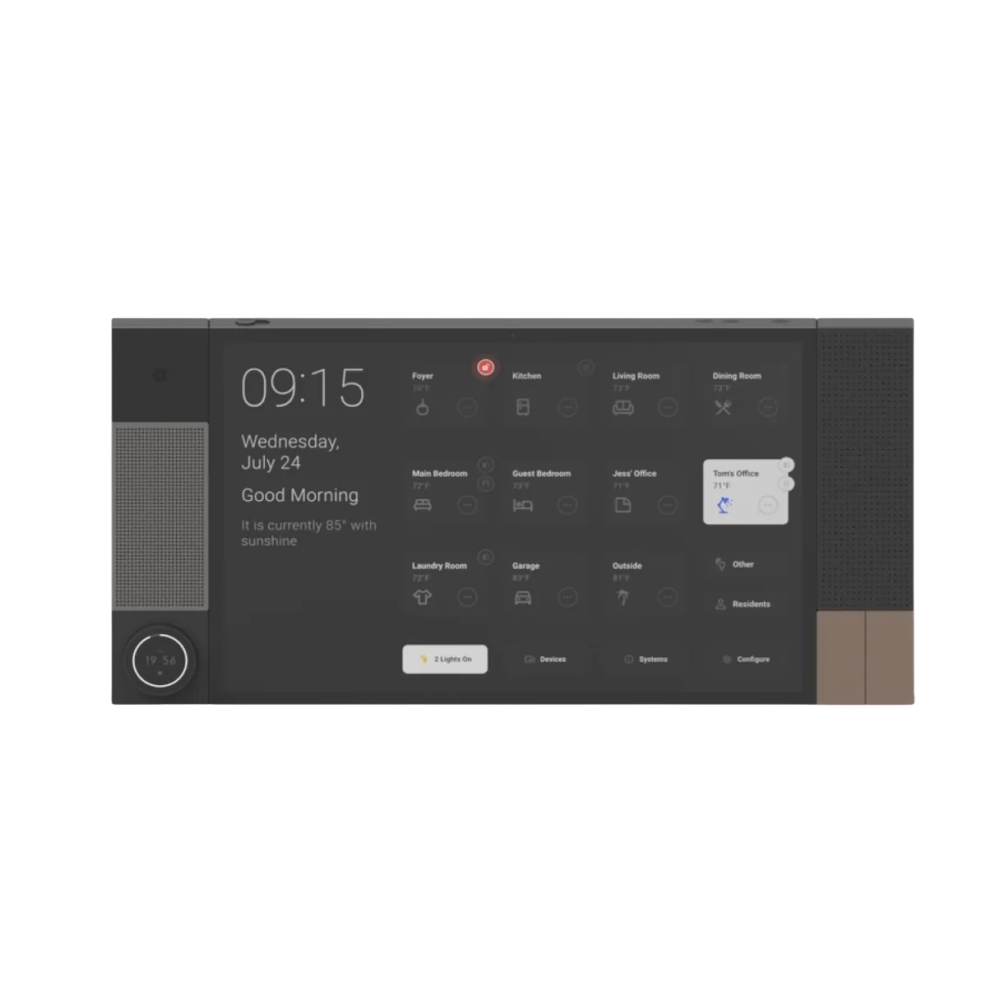
Clean Android foundation
A de-Googled Android base without bundled consumer applications or unnecessary preinstalled software.


A clean, debloated and security-hardened Android base for custom ROM developers.
BaseOS provides an open-source, de-Googled foundation for building custom Android operating systems. It combines a minimal software base with the security hardening used in BraxOS, so developers can focus on their own interface, applications and services.
Core platform capabilities for operating-system developers.
A de-Googled Android base without bundled consumer applications or unnecessary preinstalled software.
The same security-hardening work used in BraxOS, covering memory, the application runtime and the kernel.
A foundation for developers to add their own interface, applications, services and system policies.
Source repositories allow developers to inspect the implementation and maintain their own changes.
Memory protections make programming errors harder to turn into access to the device apps or data. They separate sensitive allocator information, detect corruption and clear memory after use.
Read-only stack guards, guard pages and randomized thread stacks protect critical runtime data. Sensitive-data clearing and random-number handling are also hardened. The C library test suite passed on BraX3.
Separate process state and debugging restrictions limit the information an app can reuse against another process. Ahead-of-time compilation reduces reliance on code generated while an app is running.
Each non-debuggable app starts with fresh library addresses, allocator state and canaries. A compatibility setting is available per app. This increases launch time and memory use; in one BraX3 test, Settings cold starts rose from about 0.8 seconds to 1.4–1.6 seconds.
The kernel controls memory, hardware and process access. Additional checks, memory clearing and restrictions on kernel code reduce the ways a compromised app can attack this privileged layer.
A 48-bit virtual address space and 33-bit memory-map randomization make address guessing harder. A per-app 39-bit compatibility mode supports applications that need the smaller layout.
Startup and runtime changes reduce executable-code exposure and the time sensitive data remains accessible. Optional reboot controls return a locked device to its before-first-unlock state.
An optional timer restarts a device after it has remained locked for the selected period. It is off by default and can be configured under Exploit protection.
Mandatory access controls constrain what system processes can do, even if their code is compromised. These changes narrow access to executable memory and sensitive debugging interfaces.
Preinstalled apps have code-loading restrictions, and zygote processes and system_server no longer receive the removed executable-memory permissions. WebView JIT remains allowed, and general app executable-memory permission remains; these changes do not eliminate all dynamic code execution.
Compiler settings reduce unsafe native-code behavior, while sensor permissions let you limit access to device measurements. These protections operate below an app’s own privacy settings.
The sensor service enforces the Sensors permission, with denial notifications and a configurable auto-grant setting. Enforcement was checked on BraX3.
Per-app controls let you limit network and sensor access. Location indicators, reduced screenshot metadata and separate user profiles give you more visibility and control over personal information.
Network access is a runtime permission. Granting or revoking it updates network-policy enforcement, so the choice is applied to app traffic.
Changing network identifiers between connections makes repeated connections harder to link to the same device. Clearing old network configuration reduces persistent identifying information.
New networks default to per-connection MAC randomization. DHCP state is cleared and the DHCP hostname is disabled. Existing saved networks retain their own privacy setting, which you can review in Settings.
Additional enforcement closes specific routes that could send traffic outside a VPN. The protections cover DNS, multicast discovery and direct interface binding when VPN lockdown is enabled.
The system resolver respects VPN lockdown when the VPN disappears. A device test confirmed failed resolution with no DNS packets leaving the Wi-Fi interface.
Removing retained network configuration between connections reduces the information that can link a new connection to an earlier one.
The DHCP client clears its previous state before reconnecting to a network. This works alongside Wi-Fi MAC randomization to reduce persistent network identity.
Controls for authentication, USB access and profile sessions help protect a device when it is locked or outside your possession. Optional controls need to be enabled and configured by the owner.
An optional locked-device timer returns the phone to its before-first-unlock state. Auto-reboot is off by default.
Safer authorization prompts and visible crash information help you understand privileged actions and failures. Additional controls let you choose how system alerts and screenshot sounds behave.
Approving a VPN for the first time also enables always-on operation and blocking of connections outside that VPN.
User-facing settings make the underlying protections configurable. They bring network access, authentication and device-lock controls into places where you can review and change them.
Exploit protection includes USB modes for normal use, charging-only when locked and charging-only operation. Changing the mode requires your device credential.
BraX3 does not support ARM MTE, PAC or BTI; those hardware-dependent protections are not listed as implemented.
BaseOS development status by device.
BaseOS feedback and development discussions.
Browse discussions, report issues and submit feature requests on the Brax feedback board.
Open feedback board ↗